

Most companies do not fail at security because they bought the wrong tool. They fail because nobody senior owns the security program. Engineers patch what they notice, IT resets passwords, and a compliance deadline gets handled in a panic every year. There is no strategy, no risk picture the board can act on, and no single person accountable for the whole thing. That gap is what a virtual CISO fills, and after running more than 200 security assessments since 2013 I can tell you it is the single most common structural weakness I find in growing businesses.
A virtual CISO (vCISO) gives you executive-level security leadership on a fractional basis. You get the strategy, governance, and accountability of a Chief Information Security Officer without the cost, recruiting cycle, and long-term commitment of a full-time hire. This article explains what the role actually does, when it makes sense, how an engagement is structured, and how to choose a provider that will move your program forward rather than just produce reports.
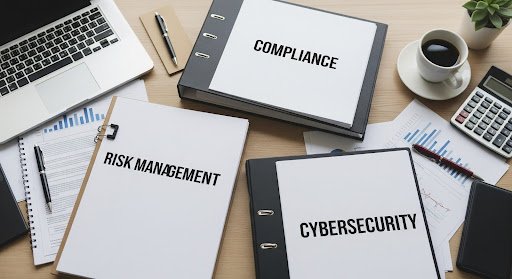
What a Virtual CISO Actually Is
A virtual Chief Information Security Officer is an outsourced security executive who provides leadership, risk management, compliance oversight, and program development. The role mirrors an internal CISO, but it operates on a fractional or contract basis, usually a set number of days per month tied to your needs.
The distinction that matters is leadership versus labour. A managed security provider watches your firewalls. A penetration tester finds vulnerabilities. A vCISO decides what your security program should look like, sets the priorities, and makes sure the money you spend actually reduces risk. It is a decision-making role, not a monitoring one. Done well, the vCISO sits in the same conversations a full-time CISO would: budget planning, vendor selection, incident escalation, and board reporting.
Why Organizations Need Security Leadership
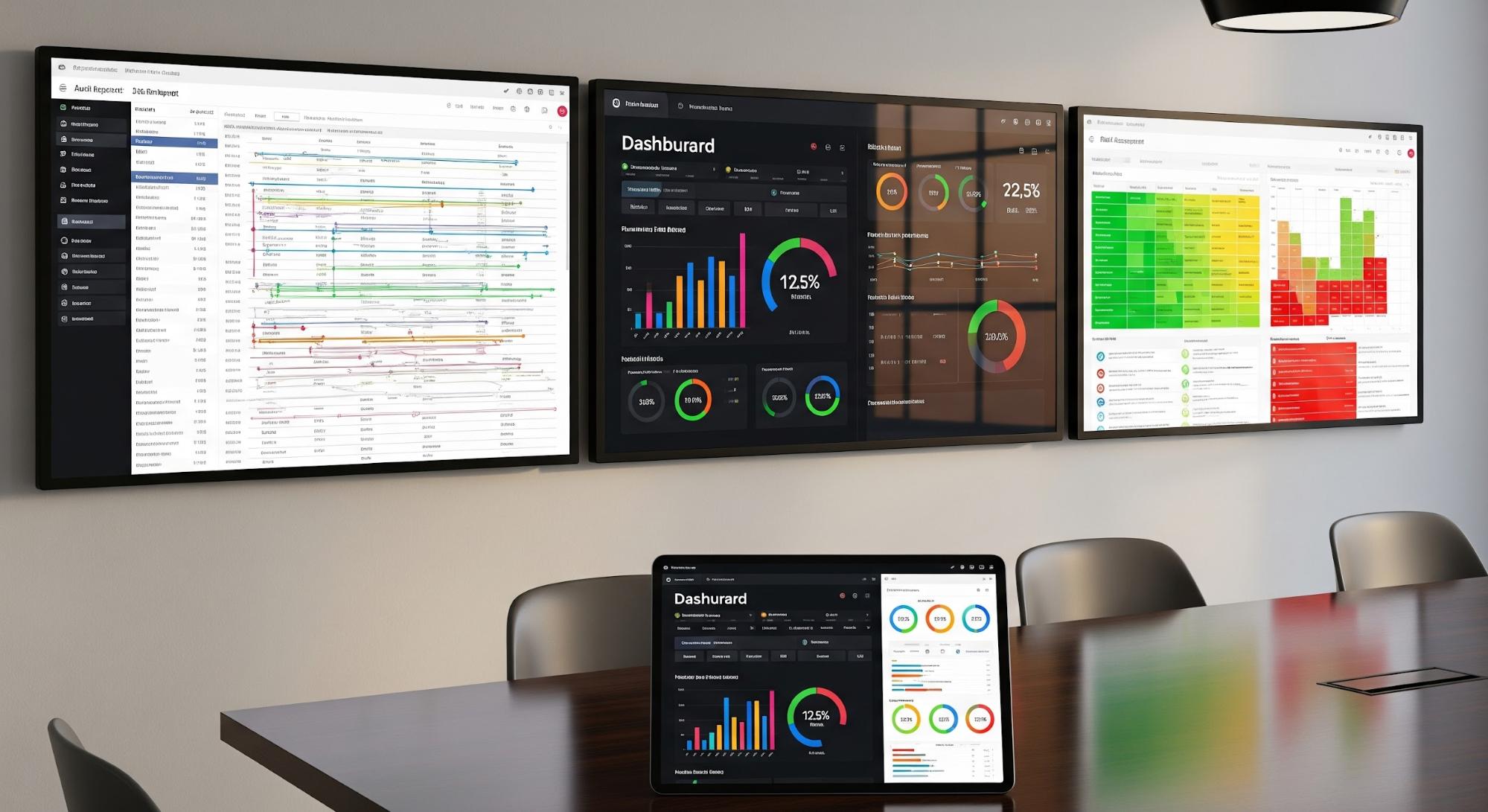
Security stopped being an IT problem a long time ago. It is now tied directly to revenue, contracts, regulatory exposure, and reputation. Enterprise customers demand evidence of a mature program before they sign. Insurers ask hard questions before they underwrite. Regulators expect named accountability. None of that is solvable by the IT team alone.
Concretely, security leadership helps an organization:
- Build a structured, prioritized security program instead of a pile of disconnected tools
- Translate technical risk into business terms the board and executives can act on
- Meet compliance and customer security requirements without last-minute scrambles
- Make defensible decisions about where to spend and where not to
- Establish a long-term roadmap that survives staff turnover
Without someone owning these outcomes, organizations operate reactively. They respond to the last incident, the last failed questionnaire, the last customer complaint. A vCISO shifts the posture from reactive to deliberate.
When a Virtual CISO Makes Sense
A full-time CISO is a significant investment, and in many markets the talent is scarce and expensive. For a lot of organizations, that hire is either premature or simply out of reach. A vCISO makes sense in several recurring situations:
- You are between a manager and an executive. Your IT lead is capable but does not have the authority or the security depth to set enterprise-wide strategy.
- A customer or regulator is forcing the issue. You need SOC 2, ISO 27001, HIPAA, or PCI DSS readiness and there is nobody senior to own it.
- You are scaling fast. New systems, vendors, and employees are outpacing your ability to manage risk.
- You had an incident. The board now wants accountability and a credible plan, quickly.
In all of these, a virtual CISO can assess your current posture, identify the real gaps, and build a roadmap that aligns security spending with business goals. For firms that only need part-time leadership, a part-time CISO engagement scales the involvement up or down as circumstances change.
How a Virtual CISO Engagement Works
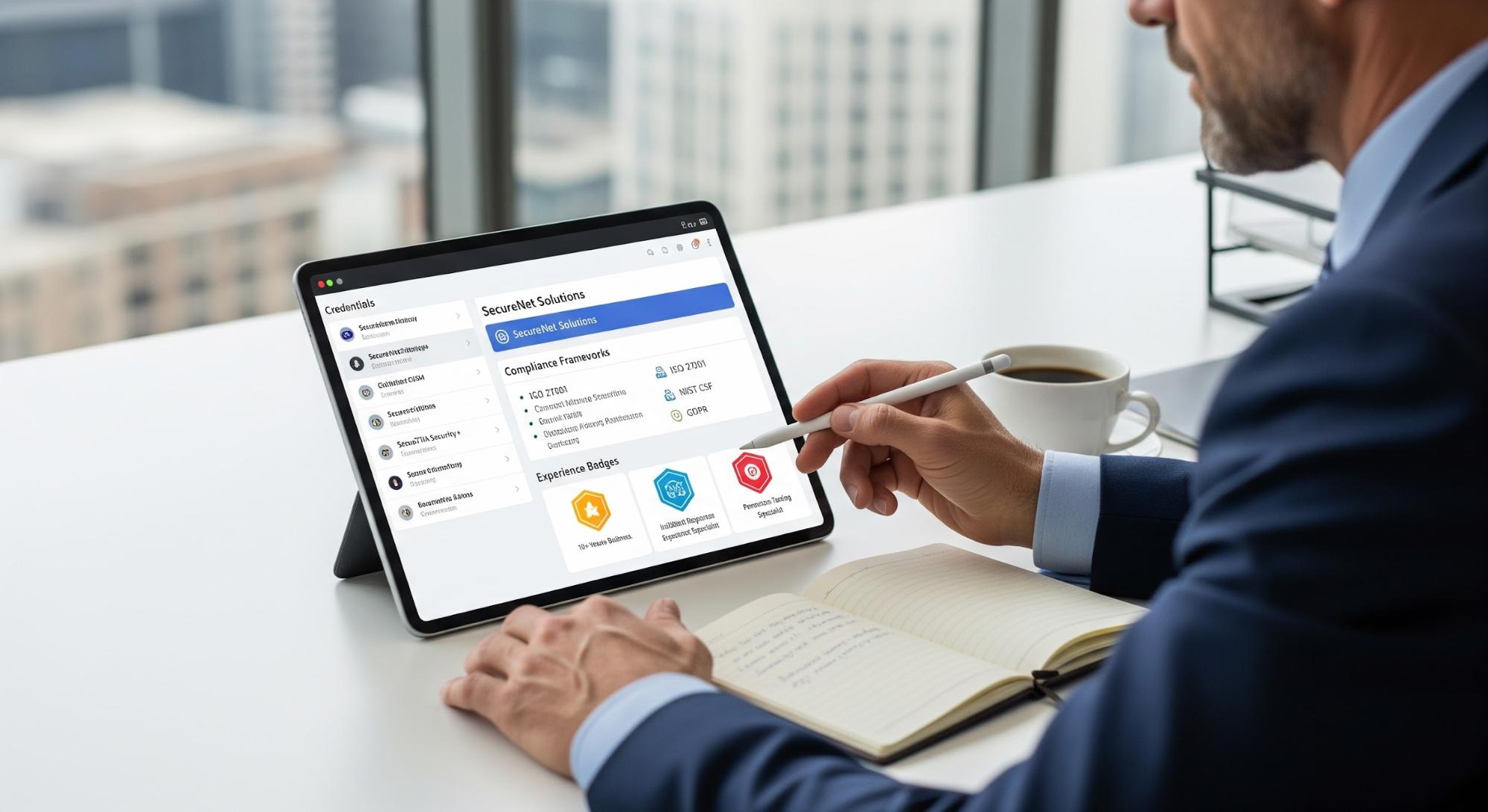
A good engagement operates as an extension of your leadership team, structured around your size, industry, regulatory environment, and risk profile. It is not a fixed template dropped onto every client. In practice, the work usually moves through a predictable arc.
- Assessment. Understand what you have, what data you hold, what could go wrong, and what your obligations are. This produces an honest baseline.
- Roadmap. Prioritize the gaps by risk and effort, and sequence them into a plan with owners and timelines.
- Governance. Establish the policies, standards, and decision rights that make security repeatable rather than personality-dependent.
- Execution oversight. Drive the roadmap forward, coordinate internal teams and vendors, and keep momentum between board cycles.
- Reporting. Give executives and the board a clear, recurring view of risk, progress, and open issues.
Typical ongoing services include security governance and program development, risk assessments and audits, policy and compliance frameworks, vendor and third-party risk management, incident response planning, and board-level briefings. The common thread is that leadership stays informed and the program keeps moving.
Building Strategy That Lasts
Effective security programs are built on long-term planning, not on whatever was urgent last quarter. A vCISO aligns people, process, and technology under a single strategy: defining security objectives, setting metrics that actually mean something, and improving controls as the threat landscape shifts. The value is continuity. When a program depends on one overworked engineer's memory, it collapses the moment that person leaves. When it is owned at an executive level and documented, it survives turnover.
What You Gain from a Fractional Model
The fractional model gives you a full security leadership function without the overhead of building one internally. The concrete advantages:
- A predictable cost model instead of a six-figure salary plus benefits and recruiting
- Immediate access to senior expertise rather than a months-long hiring search
- Faster program maturity because you are buying experience, not training it
- Reduced operational risk from having clear ownership and accountability
- An improved compliance posture that holds up to customer and auditor scrutiny
Choosing the Right Virtual CISO

Selecting a provider is not about comparing day rates. A cheap vCISO who produces a binder nobody reads is more expensive than a capable one who moves your risk down. Evaluate on substance:
- Relevant industry experience. Someone who has worked in your regulatory context will not waste your budget learning it on the job.
- Audit and compliance depth. They should know the frameworks you need cold, not just by name.
- A real risk methodology. Ask how they prioritize. If the answer is a generic checklist, keep looking.
- Executive communication. The whole point is translating technical risk for decision-makers. If they cannot explain a risk to your CFO in one sentence, the role will fail.
- Ability to integrate. A vCISO has to lead your internal team, not talk past it.
A virtual CISO has to operate as a trusted advisor with authority, not a contractor filling out spreadsheets. If you are weighing whether you need this at all, an independent IT security audit is a low-commitment way to see where your gaps actually are before you decide on the leadership model.
How a Virtual CISO Improves Risk Management and Compliance
Executive security leadership establishes a formal risk framework that identifies threats, assesses their business impact, and prioritizes mitigation. That structure is what lets leadership make informed tradeoffs instead of guessing. It also makes compliance far less painful. Rather than treating SOC 2 readiness or ISO 27001 as a fire drill, a vCISO keeps controls documented and audit-ready throughout the year, aligned to whichever frameworks your industry demands. When the audit comes, the evidence already exists.
Security Leadership Without the Executive Overhead

Hiring a full-time CISO carries costs beyond salary: recruiting, onboarding, benefits, and the ever-present risk of losing them to a larger employer. For many organizations, that money is better spent on the actual security controls and staff training that reduce risk, with a vCISO providing the leadership layer on top. You get the executive function and keep more of your budget pointed at the work that moves the needle.
As you scale, the program has to scale with you. New systems, vendors, employees, and locations all introduce risk. A vCISO makes sure your security architecture grows alongside the business rather than falling behind it, and embeds security into procurement, HR, product development, and executive decisions instead of leaving it as a bolt-on. If most of your operations run in the cloud, pairing the leadership with focused cloud security consulting keeps the technical execution moving in step with the strategy.
Why Organizations Ultimately Choose a Virtual CISO
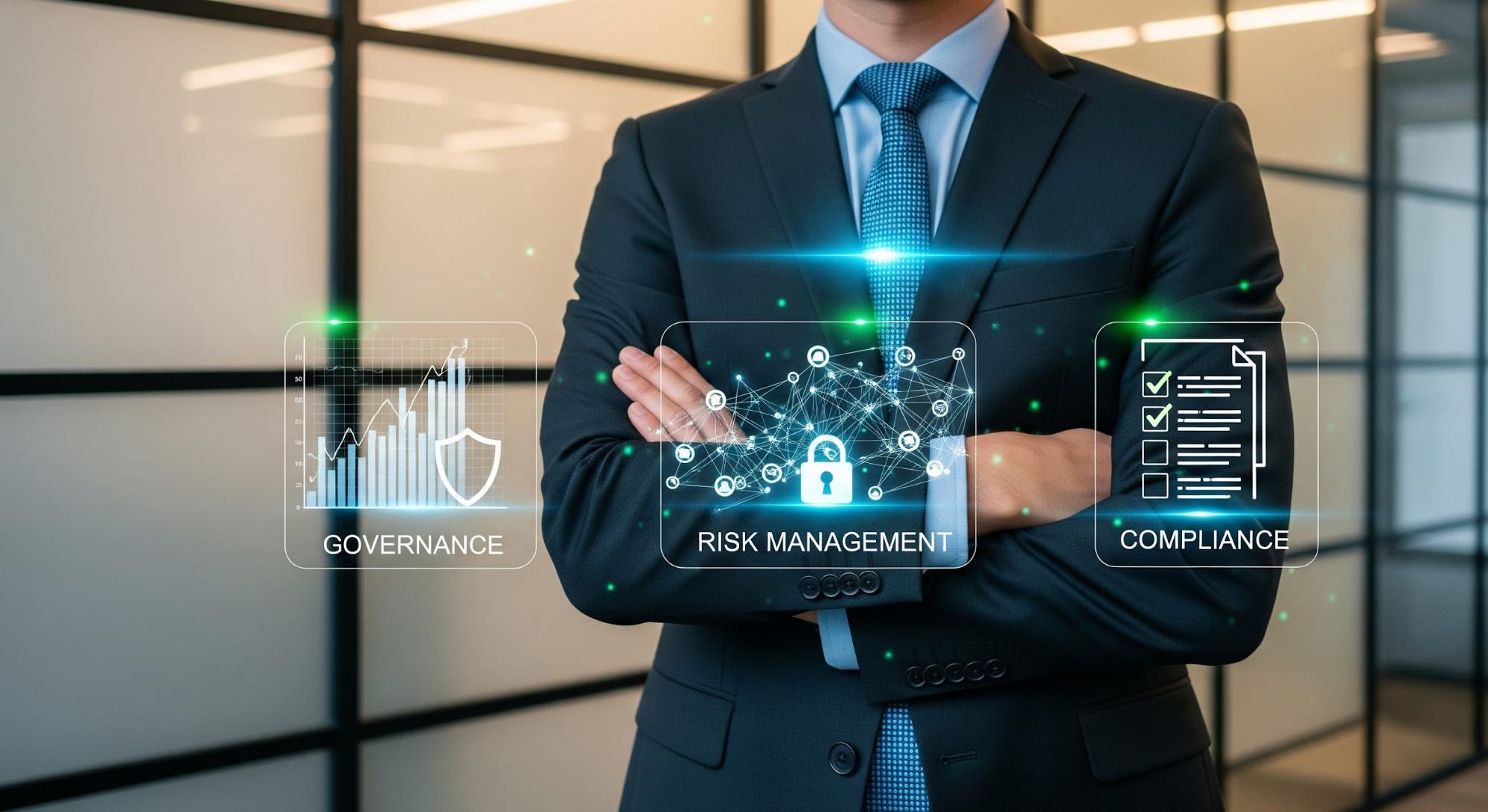
It comes down to three things organizations consistently want and rarely have:
- Visibility into their real risk, in language leadership can use
- Confidence that compliance obligations are handled and defensible
- Strategic guidance that ties security to business outcomes
A virtual CISO delivers all three without the cost and lead time of a permanent executive. For smaller organizations that need this on a leaner footing, our cybersecurity services for small business package the same leadership into a right-sized engagement.
Strengthen Your Security Program
Atlant Security provides cybersecurity audits, consulting, and executive-level leadership for organizations that need a structured, scalable security program. We act as a virtual CISO for companies without an internal one, delivering governance, risk management, and compliance expertise tailored to your environment. If you are ready to build a mature, resilient program with a senior owner accountable for it, contact us to schedule a consultation.
Frequently Asked Questions
What is the difference between a virtual CISO and a managed security service?
A managed security service operates and monitors tools such as firewalls, endpoint detection, or a SOC. A virtual CISO is a leadership role: setting strategy, prioritizing risk, owning governance and compliance, and reporting to the board. Many organizations use both, with the vCISO directing what the managed service should do.
How much time does a virtual CISO engagement involve?
It is scaled to your needs, often a set number of days per month. A smaller firm working toward one compliance goal needs far less than a scaling company managing several frameworks and vendors. The commitment can flex up or down as circumstances change.
Can a virtual CISO help us get SOC 2 or ISO 27001 certified?
Yes. Compliance readiness is one of the most common reasons organizations bring in a vCISO. They own the control framework, keep evidence audit-ready throughout the year, and coordinate the assessment so certification is not a last-minute scramble.
Is a virtual CISO only for large companies?
No. The fractional model exists precisely so that small and mid-sized organizations can access senior security leadership they could not justify as a full-time hire. The engagement is sized to fit the business.
How is a virtual CISO different from a part-time CISO?
The terms overlap heavily. Both provide fractional executive security leadership. In practice, a virtual CISO is usually delivered remotely by a firm with a team behind it, while a part-time CISO may be a single individual on site for set days. What matters more is the depth of experience and the ability to lead your program.
What results should we expect in the first few months?
Expect an honest assessment of your current posture, a prioritized risk-based roadmap, the start of a governance framework, and clear board-level reporting. Concrete risk reduction follows as the roadmap is executed.
