
Cloud Security Services
Find Every Cloud Misconfiguration Before an Attacker Does.
Cloud security consulting from Atlant Security helps businesses operating on AWS, Azure, Microsoft 365, and Google Cloud Platform find and fix the misconfigurations, access control gaps, and compliance failures that lead to cloud breaches.

Expert Led
Microsoft Alumni Leadership
01 / THE DETAIL
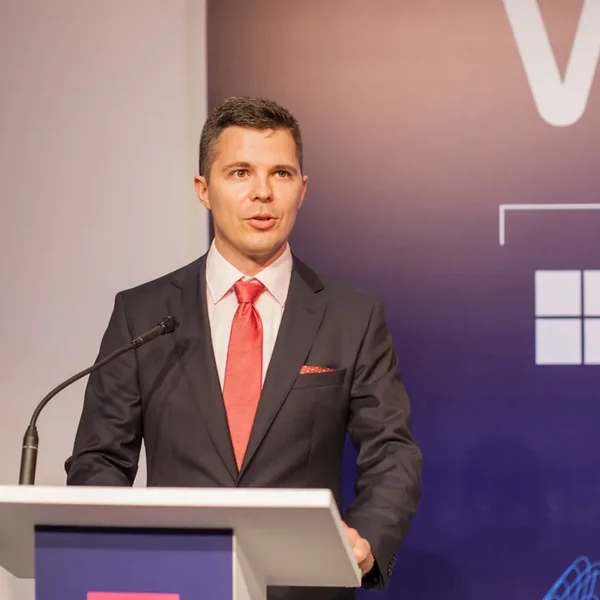
Every Cloud Security Engagement Is Led by Alexander Sverdlov
Former Microsoft Security Consulting team member. CISSP, CEH, CHFI and Mandiant certified. Secured nuclear energy infrastructure at Emirates Nuclear Energy Corporation. Alexander has personally led 200+ security assessments across 14 countries since 2013. At Atlant Security, the senior consultant who scopes your AWS, Azure, Microsoft 365, or GCP assessment is the same person who implements the hardening - never handed to junior staff.
02 / THE DETAIL
What Is Cloud Security Consulting?
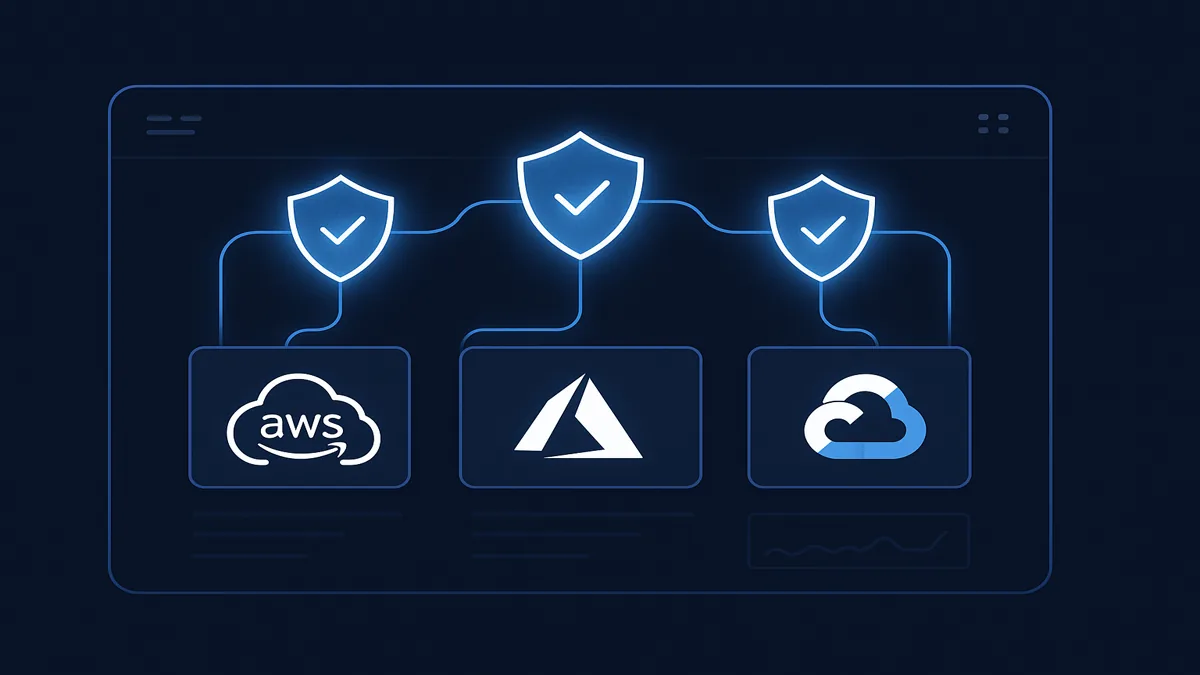
Cloud security consulting (also called cloud security assessment or cloud security advisory) is the expert-led process of identifying and remediating the security misconfigurations, access control weaknesses, and compliance gaps in your cloud environments - AWS, Azure, Microsoft 365, and GCP.
Unlike automated scanning tools that generate thousands of findings with no business context, our consulting engagements are led by a former Microsoft Security Consulting team member who interprets every finding, filters false positives, and delivers a prioritised remediation plan your team can act on immediately.
The shared responsibility model means your cloud provider is NOT responsible for your misconfigurations, your access controls, your data encryption settings, or your compliance posture. Cloud security consulting addresses exclusively the controls that are your responsibility.
03 / THE DETAIL
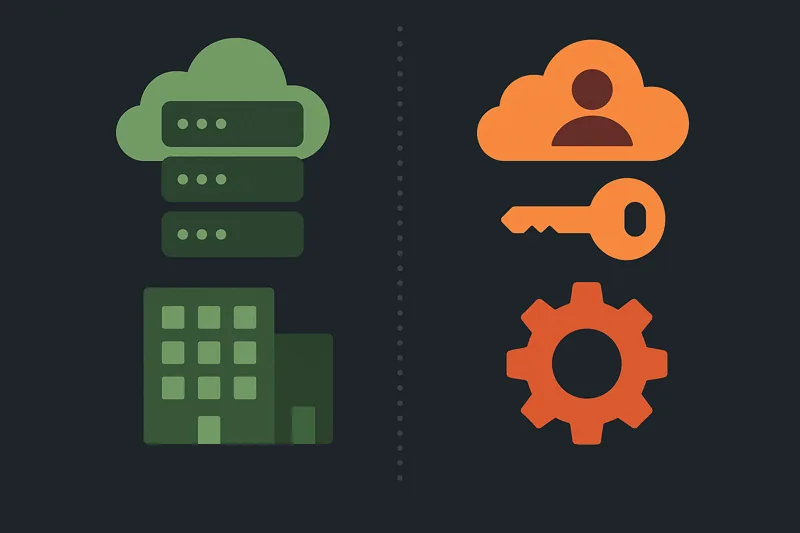
The Shared Responsibility Model
The most important concept in cloud security - and the most frequently misunderstood. Every cloud breach that makes the news is a failure in the customer's half of this model.
Cloud Provider Secures
What AWS, Azure, and GCP are responsible for
- Physical data centre security
- Hardware and server infrastructure
- Hypervisor and virtualisation layer
- Global network infrastructure between regions
- Availability and uptime of cloud services
- Platform software patching for managed services
You Are Responsible For
Where breaches actually happen
- Identity and access management (IAM) - roles, policies, permissions
- Security group and firewall configuration
- Data encryption - at rest and in transit
- Operating system and application patching on IaaS
- Security configuration of all cloud services you use
- Compliance with regulations - HIPAA, PCI DSS, GDPR, SOC 2
- Monitoring and logging configuration - off by default on most platforms
- Multi-factor authentication for admin and privileged accounts
04 / THE DETAIL
Cloud Security Consulting for AWS, Azure, M365, and GCP
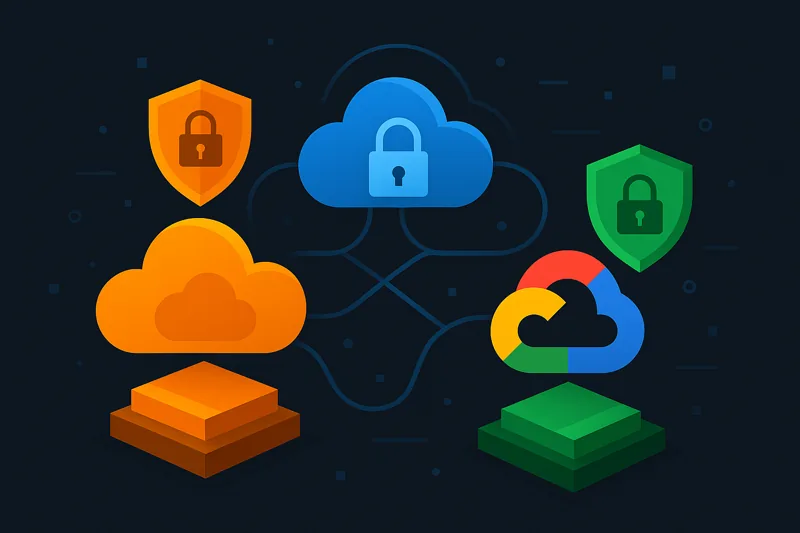
Each major cloud platform has a distinct security model, distinct default settings, and distinct attack vectors. Generic security tools miss the platform-specific misconfigurations that cause breaches.
Amazon Web Services
AWS Security Consulting
AWS is the world's largest cloud platform - and the most frequently targeted. The most common AWS security failures are public S3 buckets, overpermissioned IAM roles, disabled CloudTrail logging, and unrestricted security groups.
Microsoft Azure + Microsoft 365
Azure and M365 Security Consulting
Microsoft 365 and Azure represent the most complex cloud security environment most businesses operate in - and the one where Atlant Security has the deepest expertise. Our founder served on Microsoft's Security Consulting team.
Google Cloud Platform
GCP Security Consulting
GCP's security model shares the same fundamental shared responsibility principles as AWS and Azure but implements them through its own identity, networking, and storage models that require platform-specific expertise.
05 / THE DETAIL
10 Cloud Misconfigurations Attackers Exploit Most Frequently
These are the specific misconfigurations found in the majority of cloud security assessments - the ones attackers scan for automatically and exploit within hours of discovery.
Publicly Accessible Storage (S3, Blob, GCS)
Public S3 buckets, Azure storage accounts with public blob access, and GCS buckets with public object access are consistently among the top causes of large-scale data exposures.
Overpermissioned IAM Roles and Service Accounts
IAM roles with wildcard permissions (Action: *, Resource: *) give any service that assumes them complete control over your cloud environment.
No MFA on Root / Global Admin Accounts
The root AWS account, Azure Global Administrator, and GCP Organisation Admin are the highest-privilege accounts. These accounts frequently lack MFA enforcement.
Unrestricted Security Groups and Inbound Rules
Security groups with 0.0.0.0/0 inbound rules on SSH (port 22), RDP (port 3389), or database ports expose compute instances directly to the internet.
Logging and Monitoring Disabled or Incomplete
AWS CloudTrail, Azure Monitor, and GCP Cloud Logging are disabled or misconfigured in a significant proportion of environments. Without logging, breaches go undetected for months.
Unencrypted Data at Rest and in Transit
Cloud storage, databases, and snapshots that are not encrypted expose data in the event of unauthorized access. Most platforms require explicit configuration to enable encryption.
Publicly Accessible Snapshots and Backups
AWS EBS snapshots, RDS snapshots, and Azure VM disk snapshots set to public are accessible by any account - including those owned by attackers.
Default Credentials and Hardcoded Secrets
Database instances deployed with default credentials and API keys hardcoded into application source code or configuration files are found in the majority of cloud environments.
Missing or Weak Conditional Access Policies
Entra ID Conditional Access policies - which enforce MFA, restrict access by location or device compliance, and block legacy authentication - are disabled or minimally configured.
Overpermissioned Third-Party Integrations
Third-party SaaS tools, CI/CD pipelines, and developer tools connected to your cloud frequently use API keys with excessive permissions - often full administrator access.

Microsoft 365: 280+ Security Settings
Microsoft 365 has over 280 security settings across Exchange Online, Teams, SharePoint, OneDrive, Entra ID (formerly Azure AD), Microsoft Defender for Office 365, and the Microsoft 365 Compliance Center. The majority of these settings ship in their off or default state at tenant activation.
Every Atlant Security M365 engagement reviews and hardens all 280+ settings. Our founder served on Microsoft's Security Consulting team - this is not generic cloud consulting. This is insider knowledge of the platform applied directly to your environment.
06 / THE DETAIL
Cloud Security and Compliance - 6 Frameworks, One Assessment
Cloud security and compliance are not separate programmes. The security controls that protect your cloud environment are the same controls that satisfy your compliance framework.

SOC 2 Type II in the Cloud
SOC 2 requires controls across Security, Availability, Processing Integrity, Confidentiality, and Privacy. In cloud environments, the majority of these controls are implemented through cloud configuration - IAM, encryption, logging, and change management.
ISO 27001 Cloud Controls
ISO 27001 Annex A includes cloud-specific controls in domains covering access control, cryptography, operations security, communications security, and supplier relationships.
HIPAA Cloud Security
Healthcare organisations using AWS, Azure, or GCP to store or process Protected Health Information (PHI) must operate under a Business Associate Agreement (BAA) with their cloud provider and implement all required safeguards.
PCI DSS Cloud Compliance
PCI DSS requirements apply to cloud environments used to process, store, or transmit cardholder data. The shared responsibility model creates specific PCI DSS scoping challenges.
NIST 800-53 in the Cloud
NIST 800-53 is the control framework mandated for US federal systems (FedRAMP) and increasingly adopted by regulated private-sector organisations.
GDPR Cloud Data Protection
GDPR requirements apply to cloud environments handling personal data of EU residents - data residency, data processing agreements, and right-to-erasure implementation in cloud storage.
07 / PROCESS
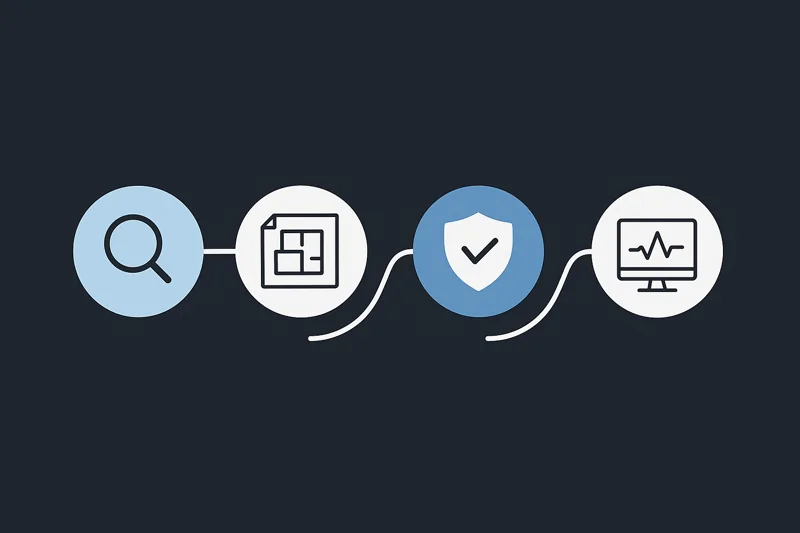
How Our Cloud Security Consulting Works - 4 Steps
A structured process designed to produce maximum security improvement with minimum disruption to your cloud operations.
Cloud Discovery and Security Assessment
We map your complete cloud footprint - every AWS account, Azure subscription, M365 tenant, and GCP project - and assess every service, configuration, and permission against security best practices and compliance requirements.
- Full cloud inventory across all accounts and regions
- Misconfiguration detection across all services
- IAM and privilege analysis
- Compliance gap identification
Security Architecture Design and Remediation Plan
We design the target security architecture for your cloud environment and produce a detailed remediation plan - ordered by risk priority and implementation effort.
- Prioritised remediation roadmap
- Quick wins vs architectural improvements
- Compliance mapping included
- Client-approved before implementation
Cloud Hardening and Controls Implementation
We implement the agreed security controls across your cloud environment - working directly with your infrastructure and configuration, not just advising.
- Direct implementation - not just advisory
- All changes documented and reversible
- Zero-downtime approach for production workloads
- Team knowledge transfer included
Ongoing Cloud Security Monitoring and Advisory
Cloud environments change constantly. Ongoing monitoring establishes continuous posture assessment, alerting on configuration drift and new vulnerabilities.
- Continuous configuration drift detection
- 60-minute incident response SLA
- Quarterly posture reviews
- Compliance maintenance support
08 / PRICING
Cloud Security Consulting Pricing
A fixed price agreed in writing before work starts. No hourly billing. Pay only after you receive and approve the assessment report.
Single Platform
Security assessment for one cloud platform.
- AWS, Azure, or M365 Assessment
- 5-10 Business Day Delivery
- Configuration Review
- IAM Policy Audit
- Remediation Roadmap
Multi-cloud assessments spanning multiple platforms, accounts, and regions may take 2-3 weeks. Quick wins like MFA deployment, logging enablement, and closing public storage can be implemented within days.
09 / THE DETAIL
Who Needs Cloud Security Consulting?
10 / THE DETAIL
Why Choose Atlant Security for Cloud Security
11 / THE DETAIL
What Clients Say About Our Cloud Security Consulting
“Atlant Security took a methodical and business-aware approach to identifying vulnerabilities, streamlining our compliance efforts, and aligning our security posture with standards such as ISO 27001, SOC 2, and HIPAA.”
12 / THE DETAIL
Your Cloud Provider Is Secure. Is Your Cloud Environment?
Get Your cloud security Gap List. We will review your AWS, Azure, Microsoft 365, or GCP environment, identify your highest-risk misconfigurations, and give you a concrete plan to fix them.
13 / THE DETAIL
Get Your Cloud Security Gap List
Choose a time for your scoping call.
For small projects and ad-hoc work outside our pre-agreed packages or retainers, our standard hourly rate is $460.
14 / FAQ