SOC 2 Type 1 vs. Type 2: The Ultimate Guide for Startups, CTOs & Compliance Leads
Alexander Sverdlov/Founder and Principal Security Consultant - CISSP, CEH, CHFI, Mandiant
Why This Comparison Matters
Every startup eventually hits a wall: a major client says, "We need your SOC 2 report."
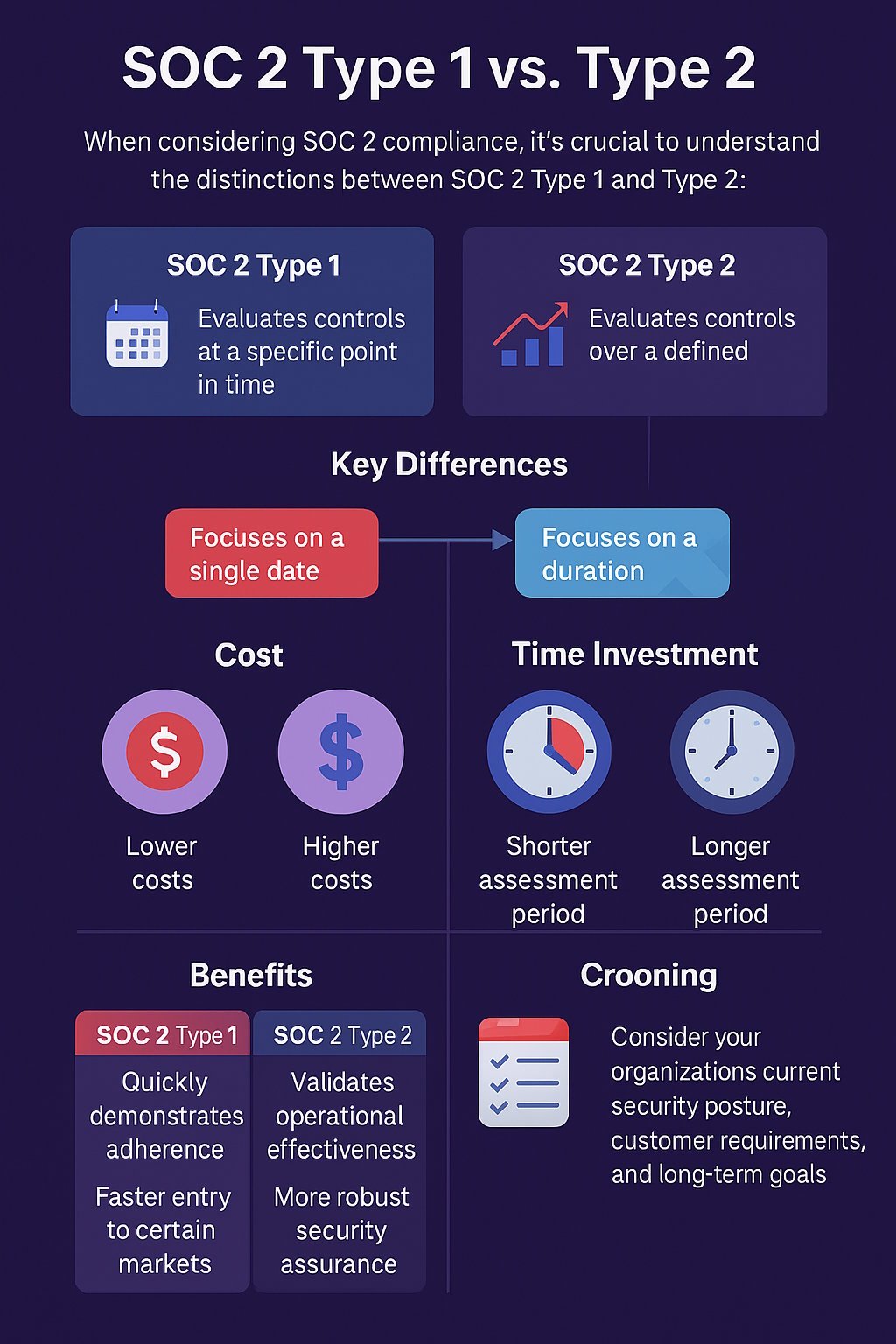
But which one? Type 1 or Type 2?
Making the wrong choice can:
Cost you $30K+ in wasted time
Delay enterprise deals by 3-6 months
Force you into a second audit before year-end
This guide gives you the full breakdown.
We'll cover:
The technical differences between Type 1 and II
How long each audit really takes
Which one your customer actually cares about
The cost breakdown (including hidden costs)
How to move from Type 1 Type 2 the smart way
Tools that automate the grind
A full audit calendar with real deliverables
Buyer psychology and procurement insights
GRC platform and auditor selection
What Is SOC 2, Really?
SOC 2 (System and Organization Controls 2) is an audit framework governed by the AICPA. It exists to help your customers understand one thing:
Can we trust you with our data?
SOC 2 audits look at how your company meets the five Trust Services Criteria:
Trust Services Criterion
Description
Security
The only required category. Firewalls, access controls, patching, and backups.
Availability
Can your systems deliver uptime? Is monitoring in place?
Processing Integrity
Do your systems do what you promise, accurately and reliably?
Confidentiality
Can you keep sensitive data away from the wrong people?
Privacy
Are you following data collection and handling commitments?
Most startups begin with Security only. You add the others later, depending on industry and customer requirements.
You don't "get certified" in SOC 2 - you get an attestation report from a licensed CPA firm.
In the next section (Part 2), we'll break down what a SOC 2 Type 1 really is - when to choose it, what it proves, and why it may be a great (or poor) strategic fit.
SOC 2 Type 1 is your first step into the world of trust. But it's not a badge of long-term reliability. It's a snapshot - a declaration that on a specific day, your company had the right policies and controls in place.
What It Proves
SOC 2 Type 1 answers this question:
Have you designed and documented the necessary controls to protect customer data?
It typically covers:
Written security policies (acceptable use, incident response, access control)
Screenshot of enforcement via Okta or Google Workspace
Security Training
CSV export from KnowBe4 or Drata LMS
Policy Acknowledgement
Signed PDFs or DocuSign records
Asset Inventory
Export from Jamf, Kandji, or Intune
The audit is point-in-time. If your audit date is March 1, that's the only day the auditor cares about. If your system fails on March 2? Not in scope.
What It Doesn't Prove
Type 1 does not show:
That your team follows policies consistently
That your controls work under pressure (e.g., incidents)
That you complete recurring tasks like access reviews or patching
That you're audit-ready month after month
Type 1 = design review, not operational proof.
When SOC 2 Type 1 Makes Sense
Scenario
Why Type 1 Works
Seed/Series A stage
Need fast trust signal for early traction
< $100k ARR deals
Smaller buyers may accept it
Product evolving quickly
Controls may change before next audit
Investor due diligence
Helpful for building confidence
When Type 1 Falls Short
Scenario
Why It Won't Cut It
> $250k contracts
Procurement will want repeatable proof
Working with banks or hospitals
Regulated clients require operational assurance
RFPs ask for "security operations evidence"
You'll need logs, not just policies
Facing competition
Others may already have Type 2
Type 1 is often a temporary bridge to Type 2.
SOC 2 Type 2 is the gold standard for operational security maturity.
Unlike Type 1, which shows your controls exist, Type 2 proves you actually use them. It's the difference between showing gym membership paperwork... and showing you've worked out every week for six months.
What SOC 2 Type 2 Proves
Type 2 demonstrates that your controls are:
Implemented
Maintained
Reviewed
Working
Across an audit window - typically 3, 6, or 12 months.
What Auditors Want to See
Control
Evidence Required
MFA Enforced
Auth logs from Okta, Google Workspace
Access Reviews
Quarterly review logs, Jira tickets, sign-offs
Patch Management
Monthly vulnerability scans, change control logs
Incident Response
IR plan, drill logs, post-mortem documentation
Backup Testing
Screenshots from test restore + recovery RTO logs
Auditors expect timestamps and recurrence - not just a single screenshot.
Why Buyers Trust Type 2
Buyers, especially in finance, healthcare, and legal tech, are trained to look for:
Proof of control execution
Evidence of operational security
Gaps closed proactively
When you share a Type 2 under NDA, it:
Speeds up vendor security reviews
Reduces the size of InfoSec questionnaires
Gives confidence to procurement and legal
Helps your sales team avoid friction
When Type 2 Is a Competitive Advantage
Scenario
Buyer Response Without Type 2
With Type 2
$500k+ contract
Delays, follow-ups, risk flags
Shortlist fast-track
Security questionnaire
Dozens of control questions
70% skipped with attached report
RFPs from banks
Soft disqualification
Point-scoring asset
VC diligence (Series B+)
Additional questions
Risk factor cleared
A Type 2 report becomes a revenue multiplier once you cross $1M ARR or hit enterprise sales.
SOC 2 audits aren't cheap. But it's not just the price tag that hurts - it's the hidden time, tools, and distractions that hit your engineering, legal, and leadership teams.
Let's break down what Type 1 and Type 2 actually cost.
SOC 2 Cost Breakdown
Category
Type 1 Estimate
Type 2 Estimate
GRC Platform (Vanta, Drata, etc.)
$7,000 - $25,000
$7,000 - $25,000
Auditor Fee
$10,000 - $25,000
$25,000 - $60,000
Internal Hours (team time)
80-150 hrs
200-400 hrs
External Consultant
Optional, $5,000-$15,000
Optional, $10,000-$25,000
Lost Sales Time
Up to $50,000 in delayed deals
Up to $150,000 in extended cycles
Many founders overlook the opportunity cost of team focus and time spent chasing evidence manually.
Audit Timeline: What to Expect
Type 1 Timeline
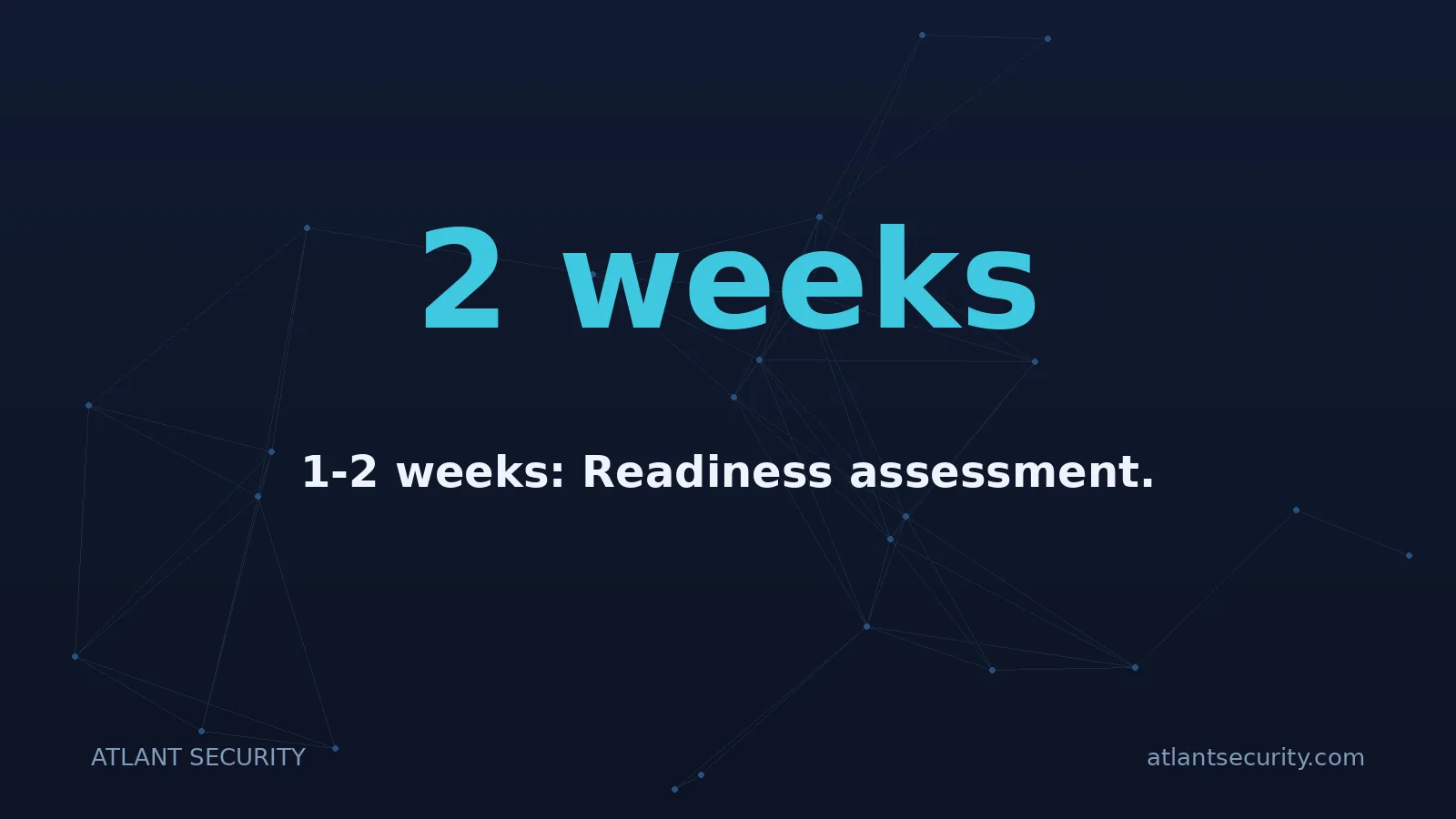
1-2 weeks: Readiness assessment
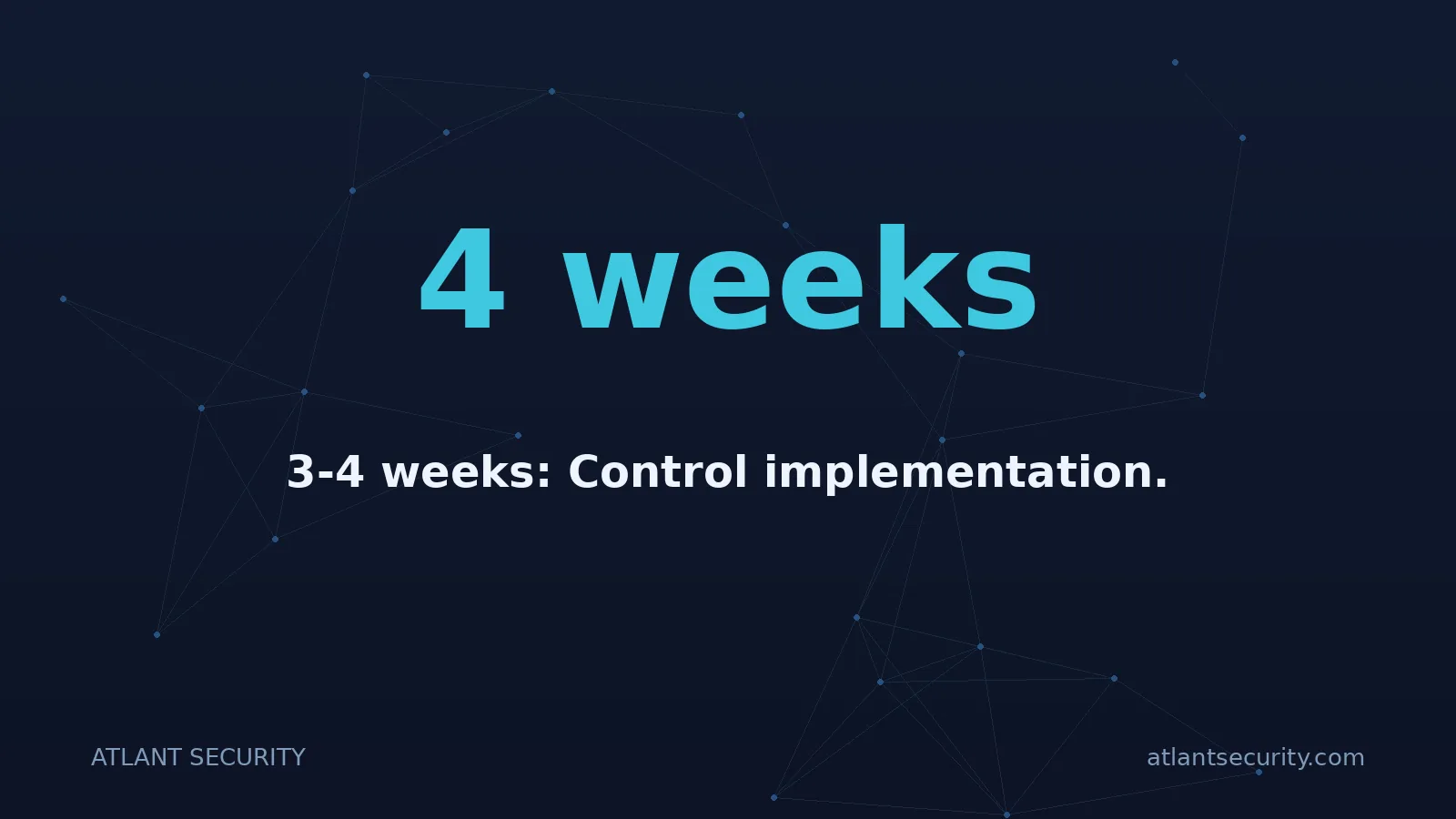
3-4 weeks: Control implementation
1-2 weeks: Documentation
2 weeks: Fieldwork & evidence collection
1-2 weeks: Final report delivery
Total: ~8-10 weeks (faster if well prepared)
Type 2 Timeline
1-2 weeks: Readiness + GRC platform setup
3-12 months: Observation period
2-4 weeks: Evidence submission
2-4 weeks: Auditor review
Total: 6-14 months (depending on monitoring window)
Hidden Pitfalls That Stall SOC 2
Risk
Description
Impact
Incomplete policy acknowledgments
Employees haven't signed your policies
Audit failure or delay
No access review logs
You didn't review or document access rights
Fails critical control
No backup test logs
Backups exist but aren't tested
Raises red flags for availability
Rushed vendor selection
Cheap auditors can delay reporting or fail you
Wasted months and $$
Outdated infrastructure
AWS S3 buckets are public, no MFA on root
Rework + audit remediation
Real-World Hidden Tasks
Even with a GRC tool, you'll need to:
Track offboarding tickets in Jira or equivalent
Schedule security awareness training and prove completion
Enforce MFA across all accounts, not just production
Store evidence in a clean, auditable way
Train your team to respond to auditor questions correctly
If you've passed SOC 2 Type 1, congratulations. But don't celebrate too long - most of your buyers will still ask for Type 2.
Here's how to move forward without wasting time or repeating work.
Your 6-Step Transition Plan
1. Review Your Type 1 Findings
Your auditor probably gave you observations or minor gaps. Fix them - Type 2 will check those same controls in action.
2. Choose Your Observation Period Wisely
Period
Pros
Cons
3 Months
Fast proof, good for urgency
Less robust, may not satisfy big buyers
6 Months
Startup-friendly standard
Moderate evidence volume
12 Months
Strongest buyer trust
Longest time to wait for a report
Many SaaS startups begin with 6 months for speed + credibility.
3. Automate Evidence Collection
You'll need:
Rolling access review records
Recurring training logs
System logs from firewalls, SSO, backups
Change management tickets
Platforms like Drata, Vanta, and Secureframe help - but they won't do the thinking for you.
4. Run Internal Checkpoints Every Month
Make sure:
Everyone completes onboarding tasks
Patching is documented
All access changes are logged
New vendors are risk assessed
Tip: Create a "SOC 2 Calendar" with monthly, quarterly, and annual tasks for your DevOps, HR, and Security teams.
5. Schedule Fieldwork in Advance
Fieldwork = the official audit window.
Set dates 30+ days in advance
Prepare your team to answer questions
Preload documents and logs for the auditor
6. Prepare for Report Delivery
Your Type 2 report will include:
Management assertion
Auditor opinion
Control list with test results (passed/failed)
Description of systems and infrastructure
Deliver it under NDA and include it in vendor security review packages.
You can't brute-force a SOC 2 Type 2 audit - not without wasting time and burning out your team. The best security teams automate wisely and use the right tech stack to collect, track, and prove compliance.
Use calendar automation for recurring tasks (e.g., Google Calendar reminders)
Simulate audits quarterly so nothing piles up
Train your team to answer auditors confidently (avoid "I'm not sure")
Centralize logs and backups so no one digs around Slack mid-audit
Once you've achieved SOC 2 compliance - especially Type 2 - don't hide it. But also: don't overpromise or misrepresent it.
Understand What You Can and Can't Say
You Can Say
You Can't Say
"We've completed a SOC 2 Type 2 audit."
"We are certified SOC 2" (SOC 2 is not a certification)
"Report available under NDA"
"We passed all controls" (auditors don't use that phrasing)
"Audited by a licensed CPA firm"
"We're immune to security breaches"
Use the word "attestation" - not "certification."
Where to Communicate It
1. Security Page on Your Website
Include:
A short paragraph on your SOC 2 journey
Which Type you achieved (I or II)
A CTA like: "Request our report under NDA"
2. Sales Enablement Docs
Give your team:
A 1-pager explaining what SOC 2 is
Common buyer objections & answers
NDA flow to access your report
3. Fundraising & Investor Updates
Show:
A timeline of your compliance effort
How SOC 2 impacted your pipeline or customer trust
Future plans (e.g. ISO 27001, HIPAA)
4. LinkedIn or Blog Announcements
Sample post:
We've completed our SOC 2 Type 2 audit! This strengthens our commitment to security and trust. Thanks to our team, partners, and customers who made this possible.
5. RFP Responses & Vendor Portals
Language to use:
We've undergone a SOC 2 Type 2 audit conducted by [Auditor Firm], covering a [6/12]-month period, available under NDA. Controls include access reviews, incident response testing, vendor management, and encryption protocols.
What Not to Do
Don't link to the full report publicly
Don't reuse it for unrelated customers (some clients will want a custom assessment)
Don't assume SOC 2 solves all buyer concerns - it's a trust accelerator, not a substitute for solid architecture
Want help preparing your security site, SOC 2 Q&A playbook, or investor materials? Let's make trust your fastest growth lever.
See also: Cybersecurity Companies in Riyadh: The 2025 Expert Guide to Choosing the Right Partner
Ready to get started? Atlant Security helps companies close security gaps and pass compliance fast, led personally by a former Microsoft security consultant with 200+ assessments across 14 countries. Book a free strategy call and get a fixed-price proposal within 24 hours.
Alexander Sverdlov
Founder of Atlant Security. CISSP, CEH, CHFI and Mandiant certified. Author of 2 information security books, cybersecurity speaker at the largest cybersecurity conferences in Asia and a United Nations conference panelist. Former Microsoft security consulting team member, external cybersecurity consultant at the Emirates Nuclear Energy Corporation.